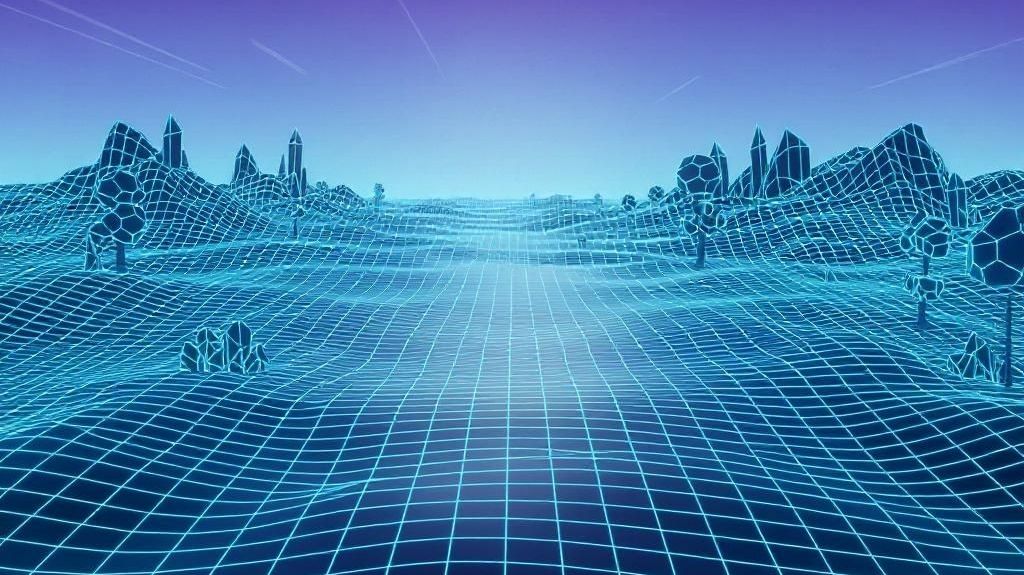
I’ve been developing a new philosophical framework I call the Ontology of the Folded Field. I reckon our old ways of thinking, which are built on splitting the world into binaries like mind/body or subject/object, have really run their course. We’ve outgrown them.
My core idea starts by rejecting two standard assumptions. First, that reality is made of discrete, separate things. And second, that it’s made of the relations between those things. I propose a different view: reality is a single, “continuous, self-modulating field”.
So, what are all the things we experience? What is a person, a rock, an event, or even an idea? I argue they are simply “local curvatures” in this field. They’re like wrinkles, waves, or folds on one continuous surface.
In this model, existence itself is an “act of folding”. The field is constantly differentiating itself from within, an “immanent, ongoing differentiation”. This single process is what generates both stability (what we call ‘being’) and transformation (what we call ‘becoming’). The most important part is that it does this “without ever dividing the continuum of life”.
I’m certainly not the first to think along these lines. I’m building directly on the work of others, like Spinoza’s immanence, Whitehead’s process philosophy, and Deleuze’s concept of the fold. But I believe this topological approach, seeing the world as one continuous, curving field, gives us a powerful new way to understand everything from physics to politics.
 Notes From The Field